Context
Infilla sells end-to-end permitting software to state and county governments. I joined for the summer as a product manager, working with a designer and a couple of engineers, and owned two workstreams.
The first was permit forms: the company's first net-new GIS-integrated form, replacing a state DOT's legacy portal, then fence and telecom permit forms built with Sonoma County. The second was foundational research for a mobile app for inspectors and code enforcement officers, a product Infilla didn't have.
Constraints
- One summer, and one person on discovery.
- No existing mobile product and no first-hand research on how field staff work.
- Government users who could only be reached through the agencies themselves.
Problem
Permitting software stops at the desk, but inspectors and code enforcement officers do their work in the field: in trucks, on site, often with no good tool. Infilla wanted to finish its end-to-end system with a mobile app but had never watched those users work.
On the forms side, agencies were stuck on legacy portals with fields that didn't reflect how permits are reviewed.
North starEnough grounded understanding of field workflows for design and engineering to start the mobile app without guessing, and forms that agency staff would sign off on.
Decisions
Go into the field instead of running interviews from a desk
- Options
- Remote interviews or a survey, versus ride-alongs and time in agency offices.
- Evidence
- Nothing the company had documented how inspectors work day to day, and what people say they do differs from what they do.
- Chose
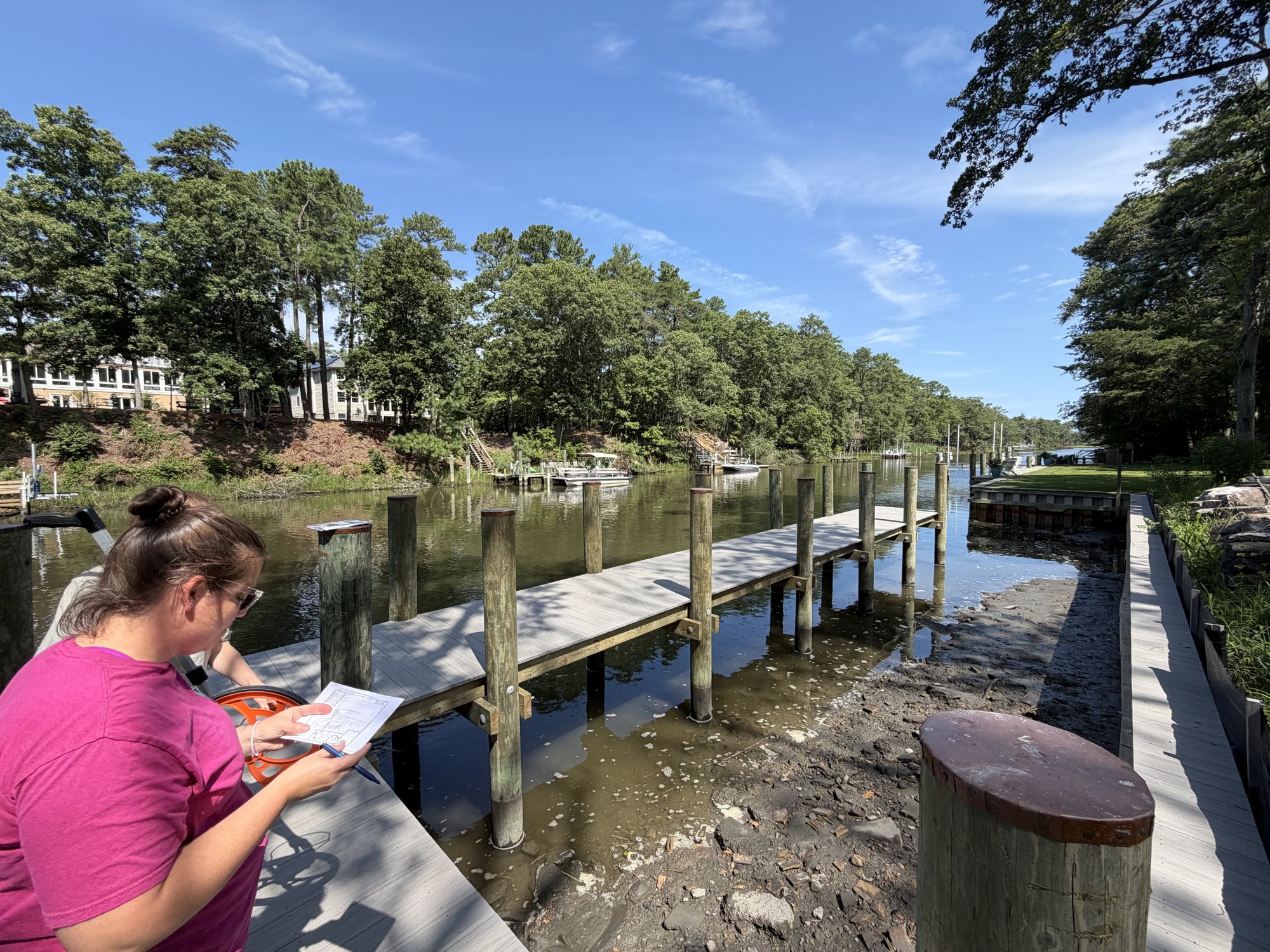
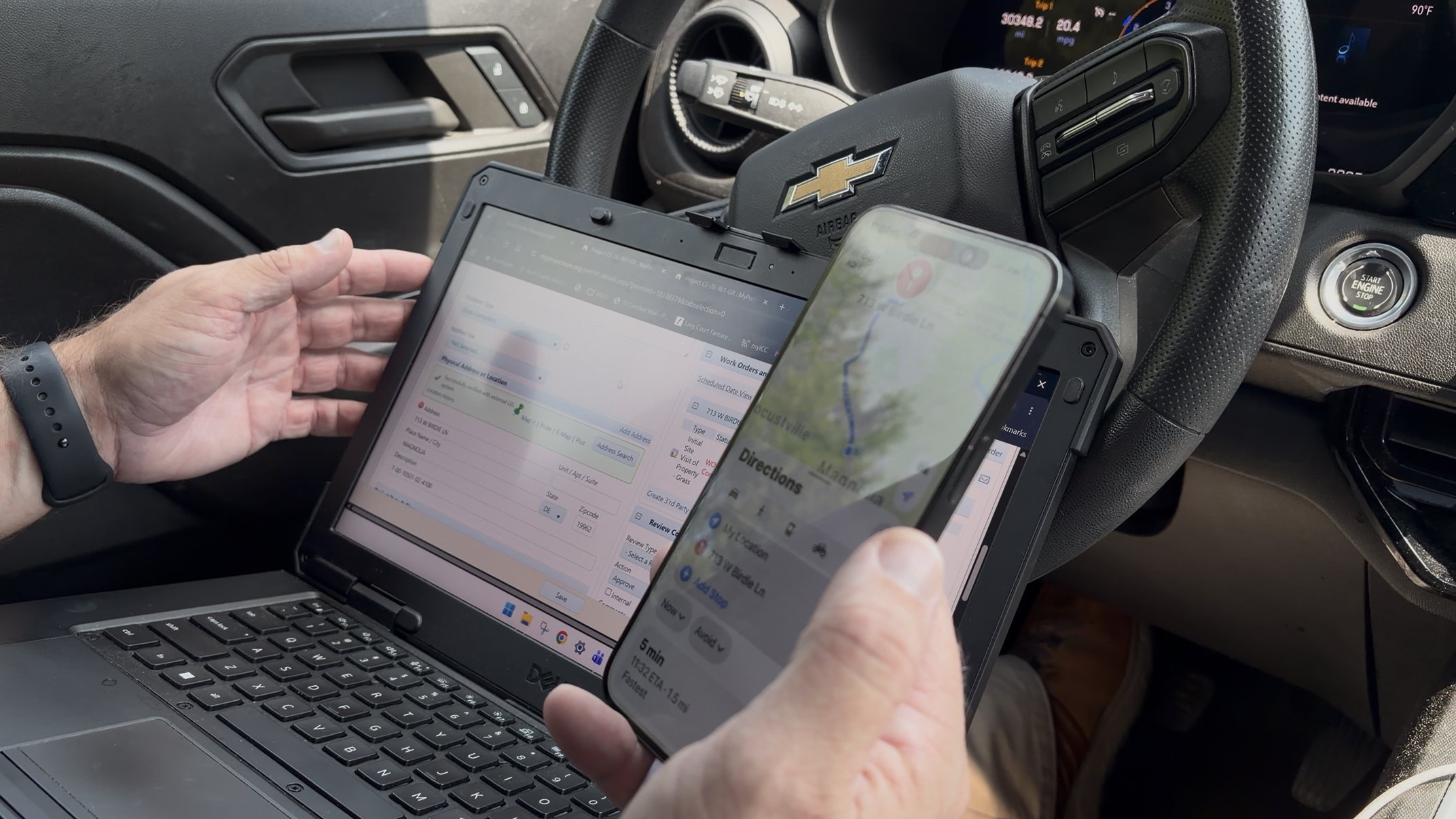
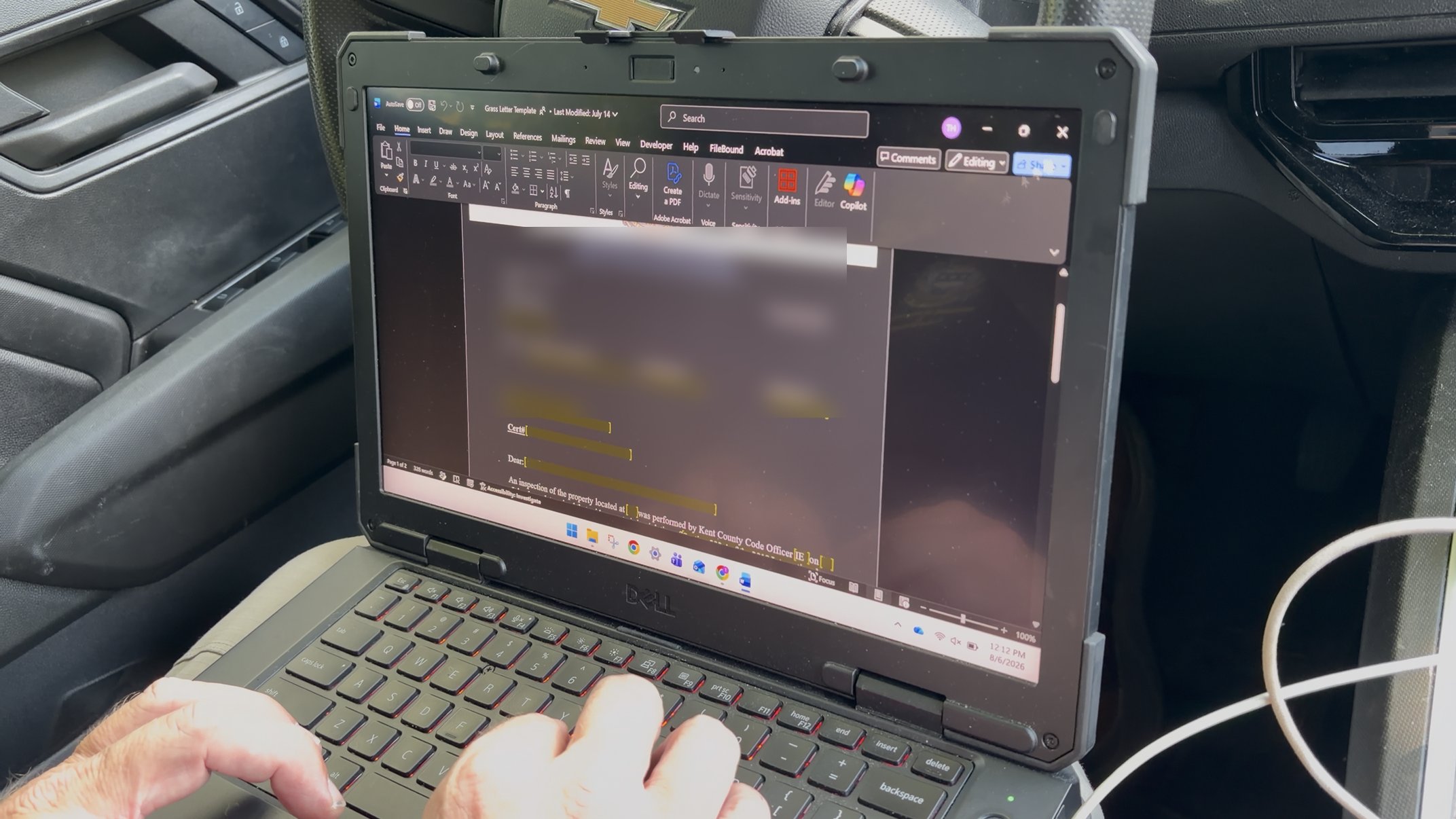
- Three full days of ride-alongs (two scientists doing inspections, one code enforcement officer), interviews, and time in the office watching the tools and processes in use. In total I shadowed 8 government employees over 5 days and mapped their workflows and tooling end to end.
- Didn't build
- Any mobile features or wireframes before the workflows were mapped.
- Cost
- A full week of my time and a small sample, so findings are directional across agencies rather than statistical.
Redesign the forms instead of porting the portal
- Options
- Copying the legacy portal's fields one for one, or working out with each agency what the form should capture.
- Evidence
- Building a custom application form for each customer's permit process was a lot of work, and the requirements lived in different heads: the government stakeholders who reviewed permits and the engineer who had to build them.
- Chose
- Redesigned fence and telecom permit forms for Sonoma County, both GIS-integrated, built in working sessions I led. I owned the PRD through kickoff and QA. In practice the PRD was a spec doc with two readers, so I wrote it to work for both: plain enough for the government stakeholders to approve, and precise enough for the engineer to build from. I looped the engineer in early and formatted the spec in the language and structure they prefer, matched to how they read and how they work with their own agents.
- Didn't build
- A like-for-like port of the old portal.
- Cost
- Every field needed agency agreement, and tailoring the spec to each engineer took extra time up front, so requirements took longer than a straight copy would have.
Keep one source of truth I could interrogate
- Options
- Scattered notes and tickets, or a single knowledge base wired into the team's tools.
- Evidence
- Strategy docs, Linear tickets, Figma wireframes, sales calls, and meeting notes were each changing, and they could contradict one another.
- Chose
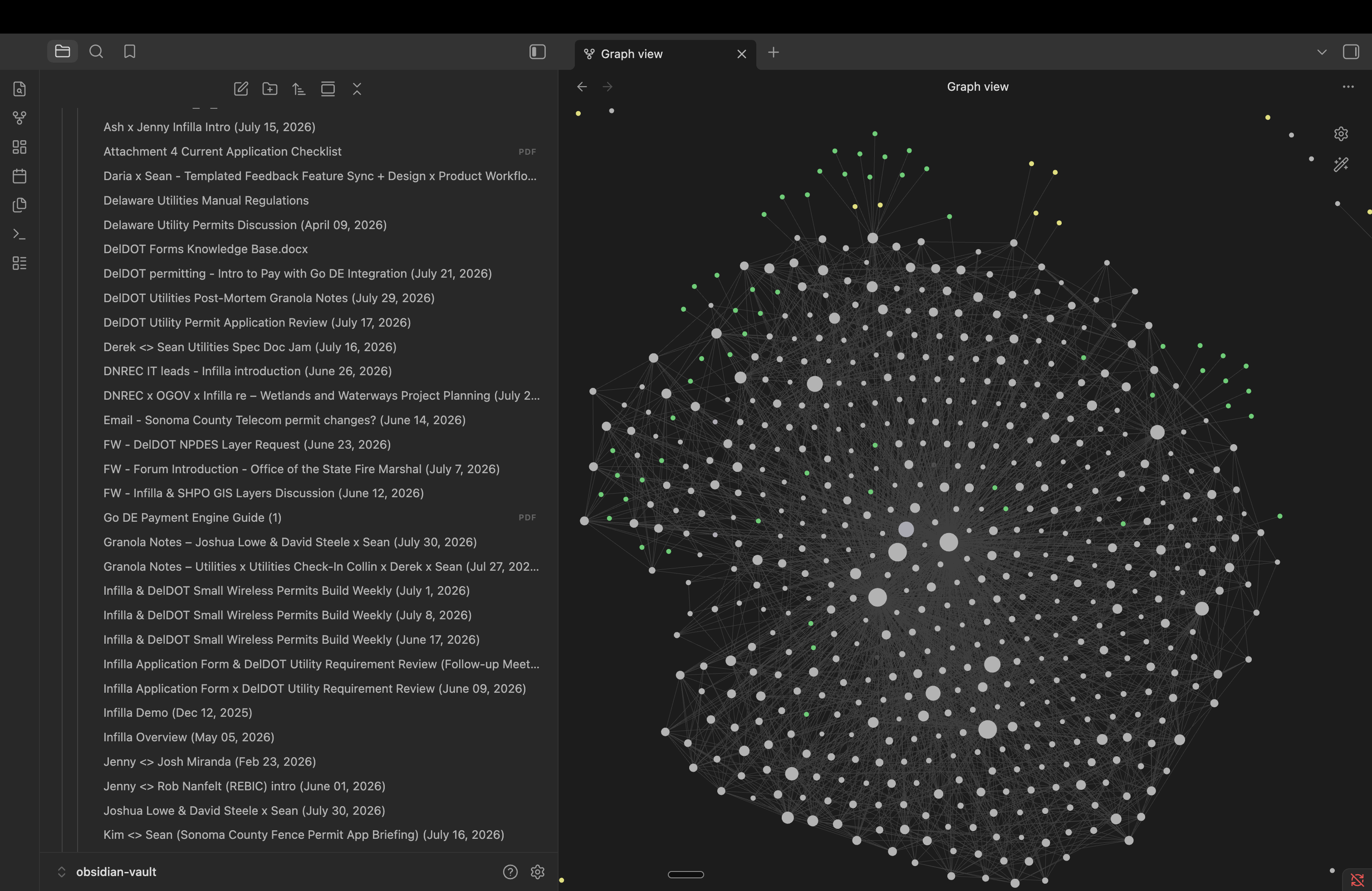
- A second brain in Obsidian and Claude, connected to Notion, Linear, Figma, GitHub, Attio (sales calls), and Granola (meeting notes), plus a scheduled linter that flags drift, inconsistencies, and contradictions for me to resolve.
- Didn't build
- A shared wiki everyone had to maintain.
- Cost
- It was my own system, so it took setup and upkeep and depended on me keeping it current.
Solution
The research produced a strategy document: the workflows, the tools inspectors and code enforcement officers use, the pain points and bottlenecks, and recommendations for design and development of the mobile app. On the forms, the fence and telecom permit forms for Sonoma County replaced portal fields with GIS-integrated ones. I prototyped new features with Claude, worked through them with the designer and engineers, and used PostHog for analytics.
Outcome
I shadowed 8 government employees in 5 days, ran 12+ requirements sessions, delivered two GIS-integrated permit forms, and wrote the strategy document the mobile app work would start from. The work helped secure a county contract.
The mobile app itself hadn't been built by the end of the summer; this was the foundation for it.